The Promise of Gene Editing: Revolutionizing Medicine and Beyond
Introdutionc:
Gene editing has emerged as a groundbreaking technology with the
potential to transform various fields, from medicine to agriculture. This
article explores the principles of gene editing, its applications in
healthcare, and the ethical considerations surrounding its use. Join us as we
delve into the world of gene editing and unlock its vast potential for innovation
and impact.
Understanding Gene Editing:
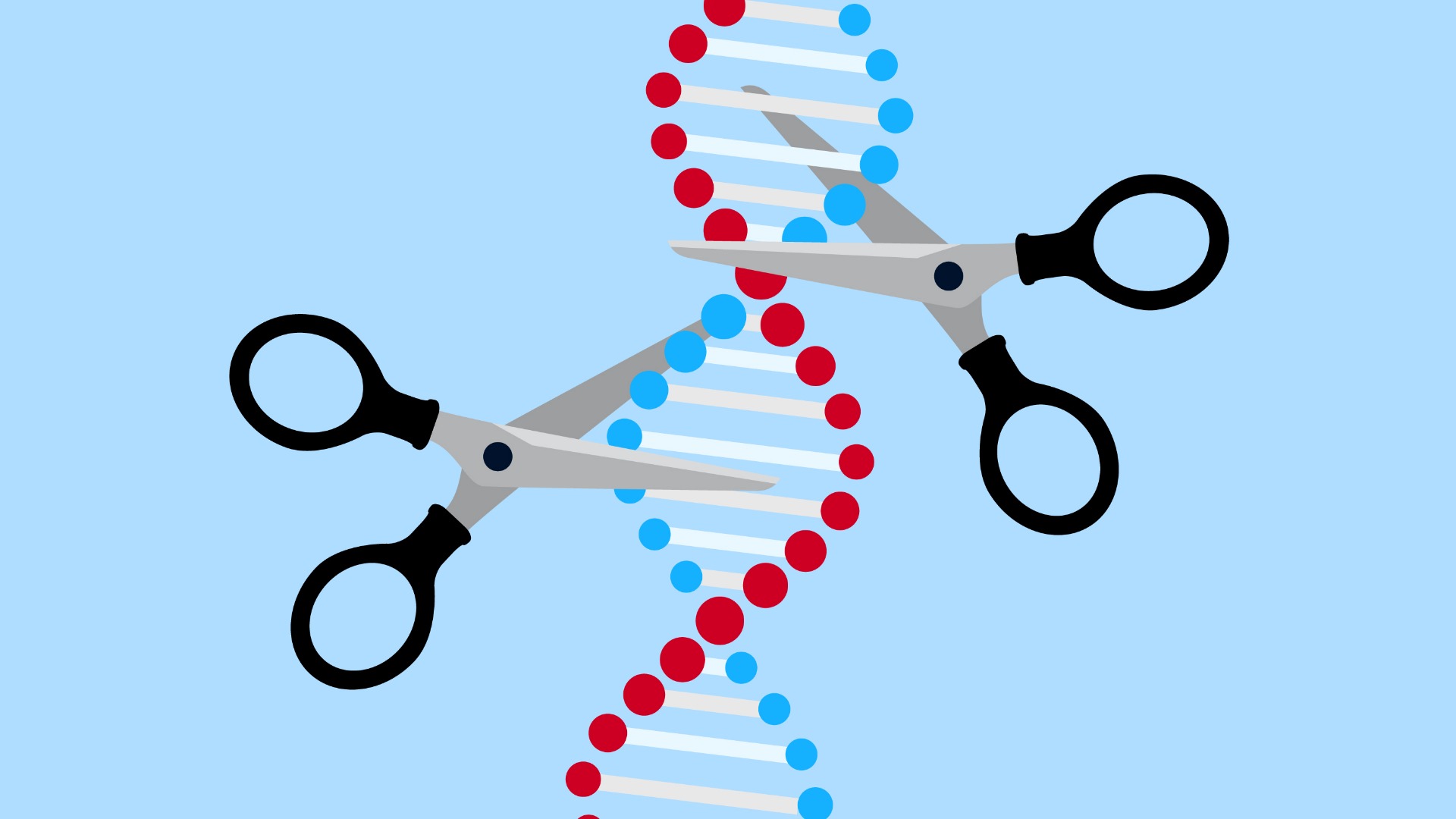
Gene editing refers to the precise modification of DNA sequences in
living organisms. It involves tools such as CRISPR-Cas9, which allow scientists
to edit genes with unprecedented accuracy and efficiency. This technology opens
up possibilities for correcting genetic diseases, enhancing crop traits, and
even advancing our understanding of fundamental biological processes.
Revolutionizing Medicine:
Gene editing holds immense promise in the field of medicine. It offers
potential treatments for previously incurable genetic disorders by correcting
disease-causing mutations at the genetic level. This includes therapies for
conditions like sickle cell anemia, cystic fibrosis, and certain types of
cancer. Gene editing also enables personalized medicine, where treatments can
be tailored to an individual's unique genetic makeup.
Ethical Considerations:
The power of gene editing raises important ethical questions.
Controversies arise around concerns of altering the human germline, which can
affect future generations, as well as potential unintended consequences and
equity in access to gene-editing technologies. Balancing the potential benefits
with ethical frameworks and societal considerations is crucial for responsible
and equitable use of gene editing.
Beyond Healthcare: Applications in Agriculture and Beyond:
Gene editing has transformative applications beyond healthcare. In
agriculture, it offers the potential to develop crops with improved yield,
nutritional content, and resistance to pests and diseases. It can also
contribute to environmental sustainability by reducing the need for harmful
pesticides. Furthermore, gene editing holds promise in conservation efforts,
species preservation, and bioengineering.
Future Challenges and Opportunities:
While gene editing shows tremendous potential, there are challenges to
overcome. Ensuring the safety and accuracy of gene-editing techniques,
addressing regulatory frameworks, and fostering public understanding and
acceptance are crucial moving forward. Collaborative efforts between
scientists, policymakers, and society at large can help navigate these
challenges and harness the full potential of gene editing.
Conclusion:
Gene editing represents a paradigm shift in science and technology, offering unprecedented opportunities for advancements in medicine, agriculture, and beyond. With responsible and ethical considerations, gene editing has the potential to revolutionize healthcare, enhance food security, and address critical challenges facing our world. By embracing innovation and navigating ethical dilemmas, we can unlock the vast potential of gene editing and pave the way for a brighter and healthier future.


Comments
Post a Comment