The Impact of Artificial Intelligence on Job Market and Future Employment Trends
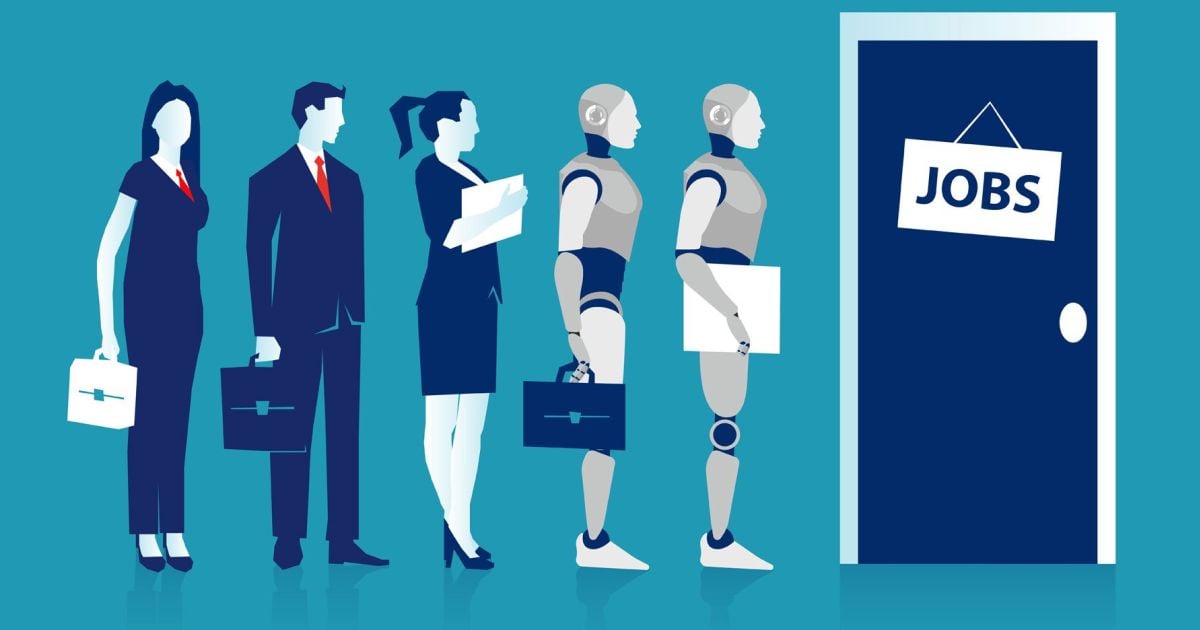
Artificial Intelligence (AI) has emerged as a transformative force in various aspects of our lives, and its impact on the job market and future employment trends is undeniable. As AI technologies continue to advance at a rapid pace, they are reshaping industries, automating tasks, and creating new opportunities. While AI brings numerous benefits and efficiencies, it also raises concerns about potential job displacement and the need for upskilling and adaptation.
One of the most significant impacts of AI on the job market is automation. AI-powered machines and algorithms can perform repetitive and mundane tasks with greater speed, accuracy, and efficiency than humans. This automation trend is already evident in sectors such as manufacturing, logistics, and customer service. As AI systems become more sophisticated, they have the potential to replace jobs that involve routine and predictable tasks, leading to workforce disruptions.
However, it is important to note that while AI may automate certain job functions, it also creates new opportunities and roles. As AI technologies advance, there is a growing demand for professionals who can develop, maintain, and enhance these systems. Job roles such as AI engineers, data scientists, machine learning specialists, and AI ethicists are emerging and are expected to be in high demand in the future.
Moreover, AI can augment human capabilities and enable workers to focus on higher-value tasks that require creativity, problem-solving, and critical thinking. By automating repetitive tasks, AI frees up time for employees to engage in more strategic and meaningful work. For example, in healthcare, AI-powered diagnostic tools can assist doctors in analyzing medical images, allowing them to spend more time interacting with patients and making treatment decisions.
The adoption of AI also prompts the need for upskilling and reskilling the workforce. As job roles evolve and new ones emerge, workers need to acquire new skills and competencies to remain relevant in the job market. The demand for digital skills, data analysis, programming, and AI literacy is increasing across industries. Organizations and educational institutions have a crucial role to play in providing training and education programs to equip individuals with the necessary skills to thrive in the AI-driven economy.
While AI has the potential to create job displacement in certain sectors, it is important to recognize that it can also generate new industries and job opportunities. The development and deployment of AI technologies require a range of expertise, from research and development to implementation and support. The AI industry itself is a growing sector, providing employment opportunities for individuals with diverse skill sets.
Furthermore, AI can enhance productivity and drive economic growth, leading to the creation of new jobs indirectly. As AI systems automate routine tasks, businesses can allocate resources to innovation, expansion, and exploring new markets. This can lead to the emergence of new industries, products, and services that create employment opportunities.
It is crucial for policymakers, businesses, and individuals to adapt to the changing landscape of work in the AI era. Governments need to invest in education and training programs that equip individuals with the skills needed to thrive in the AI-driven economy. Businesses should embrace AI technologies and explore ways to integrate them into their operations while ensuring a smooth transition for their workforce. Individuals should prioritize continuous learning, upskilling, and adapting to remain competitive in the job market.
In conclusion, AI is reshaping the job market and future employment trends. While there are concerns about job displacement, AI also creates new opportunities and roles. It automates repetitive tasks, frees up time for more meaningful work, and augments human capabilities. The adoption of AI necessitates upskilling and reskilling the workforce, and it is crucial for governments, businesses, and individuals to adapt to the changing landscape of work. By embracing AI and preparing for its impact, we can harness its potential to drive innovation, productivity, and economic growth while ensuring a sustainable


Comments
Post a Comment