The Wonders of Underwater Caves: Exploring the Hidden Depths
Beneath the shimmering surface of the world's oceans lie
hidden treasures that have captivated the imaginations of explorers,
scientists, and adventure seekers for centuries - underwater caves. These
mysterious and enchanting geological formations offer a glimpse into a hidden
world, where beauty and danger coexist in perfect harmony. Exploring underwater
caves is a thrilling and awe-inspiring adventure that unveils the wonders of
our planet's hidden depths.
Underwater caves are formed through a fascinating process
that spans thousands of years. Initially, they begin as dry caves on land,
created by the forces of nature such as erosion, tectonic activity, or the
dissolution of limestone by water. Over time, as sea levels rise or land
subsides, these caves become submerged, giving rise to the mesmerizing
underwater cave systems we know today.
One of the most remarkable features of underwater caves is
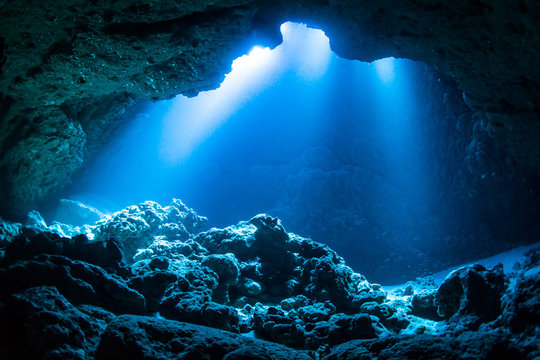
their otherworldly beauty. Crystal-clear waters, illuminated by shafts of
sunlight filtering through the cracks in the cave's ceiling, create a surreal
and ethereal atmosphere. The unique geological formations within these caves,
such as stalactites, stalagmites, and flowstones, add to their allure,
transforming the cave into an underwater gallery of natural art.
Beyond their beauty, underwater caves harbor a rich
ecosystem that is teeming with life. These caves provide a sanctuary for a wide
array of marine organisms, some of which are found nowhere else on Earth.
Inhabitants can include colorful coral reefs, sponges, sea anemones, and a
plethora of fish species. Exploring these caves offers scientists an invaluable
opportunity to study the ecology and behavior of these specialized creatures,
expanding our understanding of the interconnectedness of marine life.
For adventurous explorers, diving into the depths of
underwater caves unlocks a world of challenges and excitement. Cave diving is
an extreme sport that demands advanced skills, meticulous planning, and
specialized equipment. Navigating through tight passages, maneuvering around
stalactites and stalagmites, and managing limited visibility requires a calm
and focused mind. However, the rewards of exploring these hidden realms are
unparalleled. Each cave system holds its own secrets, promising unique encounters
and breathtaking sights for those who dare to venture into its depths.
Explorations of underwater caves have led to remarkable
discoveries and scientific breakthroughs. The exploration of the Ox Bel Ha
system in Mexico's Yucatan Peninsula, one of the longest underwater cave
systems in the world, has shed light on ancient civilizations and provided
insights into the geological history of the region. Similarly, the Blue Holes
of the Bahamas have captivated scientists with their underwater sinkholes and the
clues they hold about past climates and sea levels.
It is important to note that exploring underwater caves
comes with inherent risks. The unpredictable nature of these environments
demands respect and caution. Proper training, experience, and adherence to
safety protocols are crucial for anyone considering embarking on such
adventures. The collaboration between experienced cave divers and scientists
ensures that these explorations are conducted responsibly and contribute to our
knowledge while preserving these fragile ecosystems.
The wonders of underwater caves continue to beckon us, inviting us to unlock their secrets and immerse ourselves in their beauty. They serve as a reminder of the vastness and diversity of our planet, a world beneath the waves that is as captivating as it is mysterious. By delving into the hidden depths of these underwater marvels, we not only expand our understanding of the natural world but also gain a deeper appreciation for the delicate balance that sustains life on Earth.


Comments
Post a Comment