The Power of Mindfulness: How Practicing Mindfulness Can Improve Mental Health
Mindfulness, a practice rooted in ancient wisdom, has gained
significant attention in recent years for its profound impact on mental health.
By cultivating a state of present-moment awareness and non-judgmental
acceptance, mindfulness has the potential to enhance well-being, reduce stress,
and promote emotional resilience. As scientific research continues to uncover
its benefits, more individuals are embracing mindfulness as a powerful tool for
improving mental health.
At its core, mindfulness involves directing one's attention
to the present moment with an open and non-judgmental attitude. It encourages
individuals to become fully aware of their thoughts, emotions, bodily
sensations, and the surrounding environment. By cultivating this state of
awareness, individuals can break free from rumination about the past or worries
about the future, and instead, experience a sense of calm and clarity in the
present.
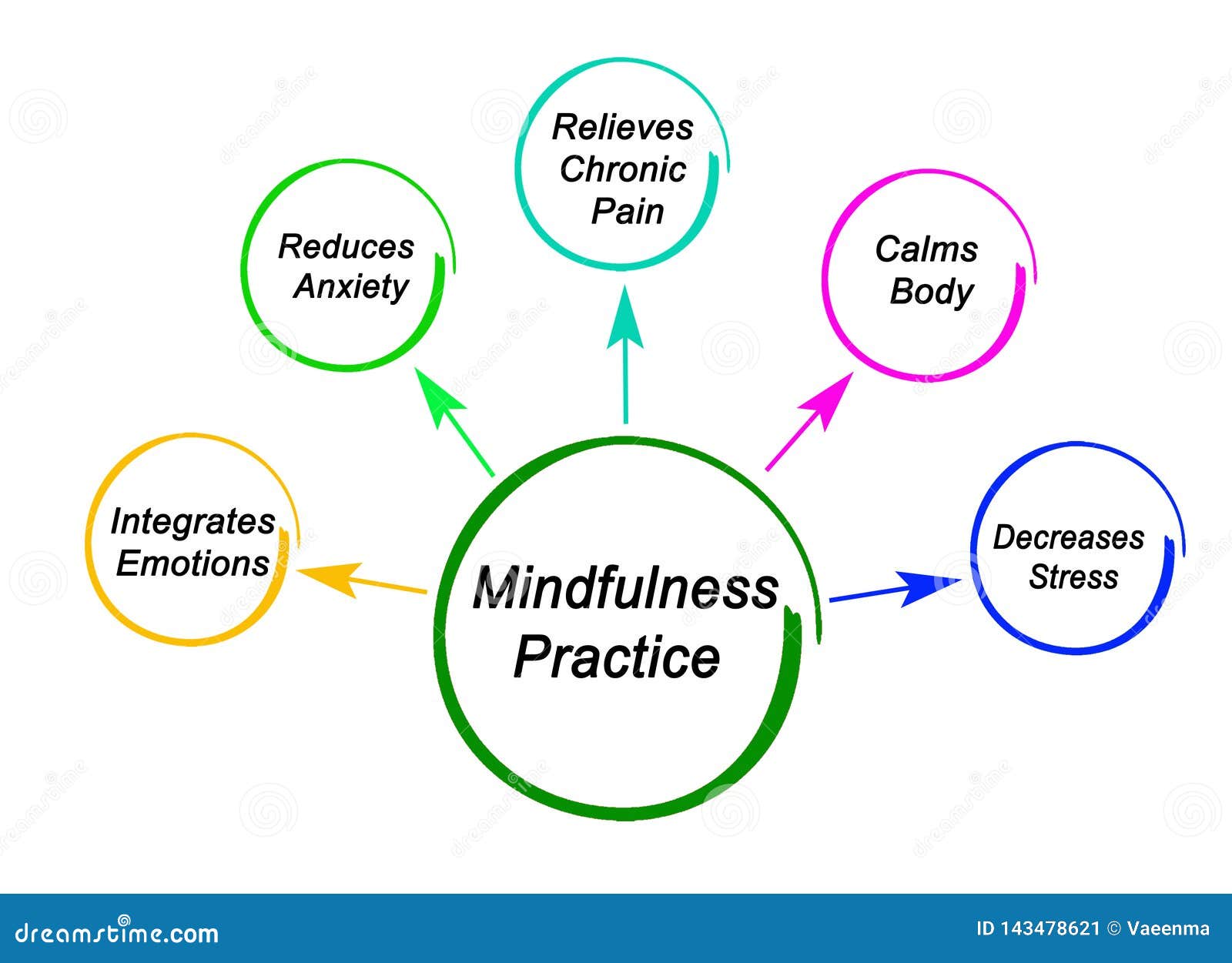
One of the key benefits of mindfulness is its ability to
reduce stress and promote relaxation. In today's fast-paced and hectic world,
stress has become a prevalent issue that takes a toll on mental and physical
well-being. Mindfulness practices, such as focused breathing, body scans, and
meditation, provide individuals with a refuge from the chaos of daily life. By
deliberately focusing on the present moment and observing thoughts and
sensations without judgment, individuals can cultivate a sense of inner peace
and resilience in the face of stressors.
Moreover, mindfulness has been shown to improve emotional
well-being. It allows individuals to develop a deeper understanding and
acceptance of their emotions, thereby promoting emotional regulation and
stability. By observing emotions with a non-reactive attitude, individuals can
develop a greater sense of self-awareness, identify and acknowledge their
emotions without judgment, and respond to them in a more skillful and
compassionate manner.
The practice of mindfulness has also been associated with
improved mental health outcomes, including reduced symptoms of anxiety and
depression. Research suggests that regular mindfulness practice can change the
structure and function of the brain, leading to enhanced emotional regulation,
increased cognitive flexibility, and decreased reactivity to negative stimuli.
These neurobiological changes contribute to improved mental resilience and a
decreased risk of developing mental health disorders.
Furthermore, mindfulness can foster a greater sense of
overall well-being and life satisfaction. By fully engaging in the present
moment and cultivating a non-judgmental attitude, individuals can develop a
deeper appreciation for the simple joys and experiences of daily life.
Mindfulness encourages individuals to savor positive moments, develop
gratitude, and nurture positive relationships, all of which contribute to a
more fulfilling and meaningful life.
Incorporating mindfulness into one's daily routine does not
require extensive time or effort. It can be as simple as dedicating a few
minutes each day to focused breathing, mindful walking, or guided meditation.
The key is consistency and a commitment to cultivating a present-moment
awareness throughout the day, even during routine activities.
In conclusion, the practice of mindfulness holds immense power in improving mental health. By embracing mindfulness, individuals can reduce stress, enhance emotional well-being, and develop resilience. As mindfulness continues to gain recognition and scientific support, it is becoming increasingly clear that it is not just a passing trend but a transformative practice with the potential to positively impact lives. By cultivating mindfulness in our daily lives, we can embark on a journey of self-discovery, inner peace, and profound mental well-being.


Comments
Post a Comment