The Importance of Trees in Urban Areas
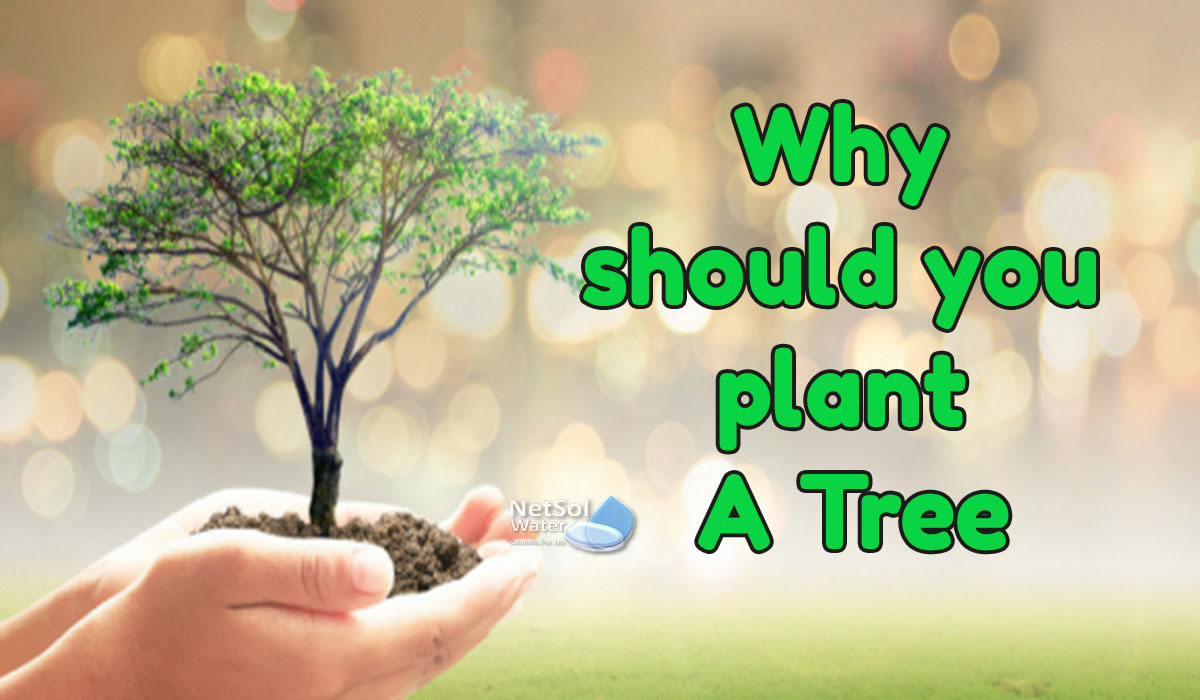
Trees are an essential part of our urban environment. They help to improve air and water quality, reduce noise pollution, and provide shade and cooling. However, despite their many benefits, trees are often undervalued and underappreciated in our cities. In this article, we'll explore the importance of trees in urban areas and why we need to do more to protect and enhance our urban forest.
One of the most significant benefits of trees in urban areas is their ability to improve air quality. Trees absorb carbon dioxide from the atmosphere and release oxygen through photosynthesis. They also absorb pollutants such as nitrogen oxides, sulfur dioxide, and particulate matter, which can have serious health effects on humans. In fact, studies have shown that areas with more trees have lower rates of asthma, heart disease, and other respiratory illnesses.
Trees are also important for water quality. They absorb rainwater and reduce runoff, which can help to prevent flooding and erosion. They also filter pollutants and nutrients from stormwater, which can help to improve the quality of our rivers, lakes, and oceans. In addition, trees can help to cool the air and reduce the "heat island" effect in cities, where temperatures can be several degrees higher than in rural areas.
Beyond their environmental benefits, trees provide many social and economic benefits as well. Trees can increase property values, attract businesses and tourists, and provide habitat for wildlife. They also provide recreational opportunities, such as hiking trails and parks, which can improve the quality of life for city residents.
Despite these many benefits, trees in urban areas face many challenges. Urban development, pests and diseases, and climate change can all have negative effects on the health and survival of trees. In addition, many cities lack adequate funding and resources for tree maintenance and planting.
To protect and enhance our urban forest, we need to do more to promote and support tree planting and maintenance in our cities. This can include policies and programs that encourage tree planting and preservation, such as tree ordinances, green infrastructure incentives, and public-private partnerships. It can also involve educating the public about the importance of trees and the benefits they provide.
In conclusion, trees are an essential part of our urban environment, providing many environmental, social, and economic benefits. To ensure the health and survival of our urban forest, we need to do more to protect and enhance our trees, through policies, programs, and public awareness. By working together to support our urban forest, we can create healthier, more livable cities for everyone.


Comments
Post a Comment